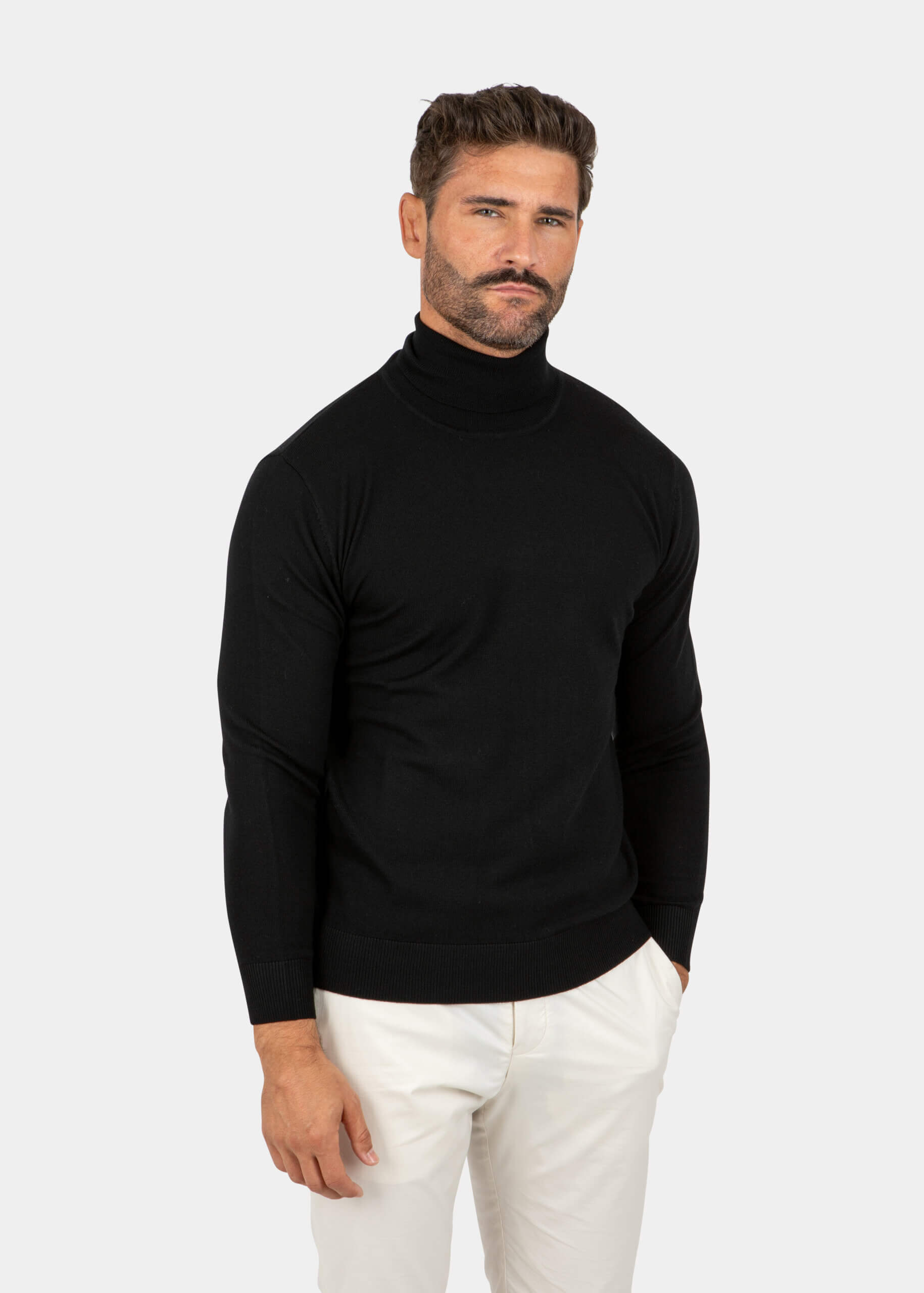
March is rarely decisive. Winter lingers, spring hesitates, and dressing becomes a daily negotiation between warmth and lightness. The most successful wardrobes respond not by changing completely, but by adapting. Transitional dressing is less about new garments and more about how existing pieces are worn. This is where knitwear proves its quiet value.
Fine sweaters excel in moments of in-between. They provide warmth without weight and structure without rigidity. When coats feel too heavy and shirts alone feel insufficient, knitwear bridges the gap with ease. A well-chosen sweater allows you to dress for unpredictability while remaining composed.
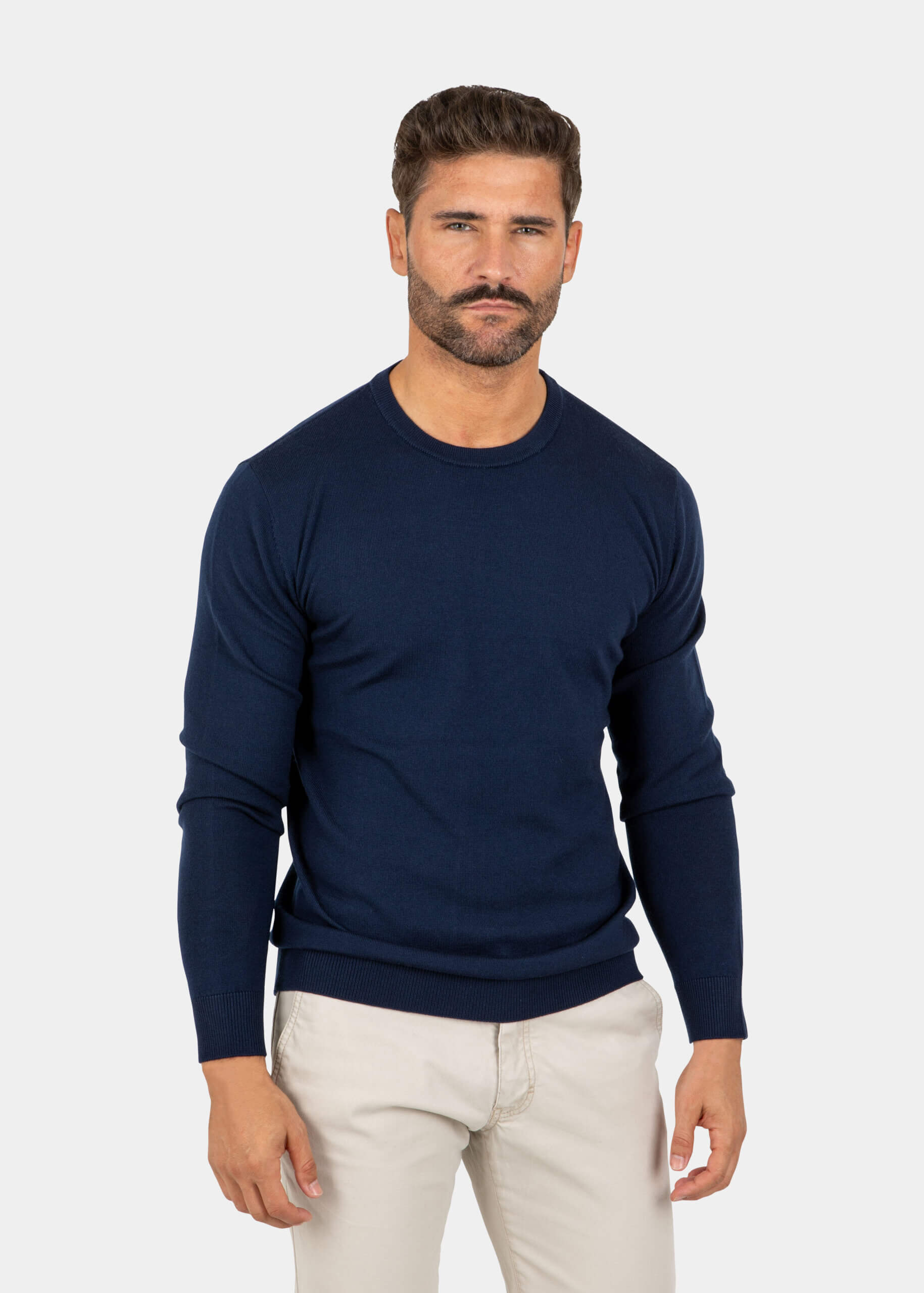
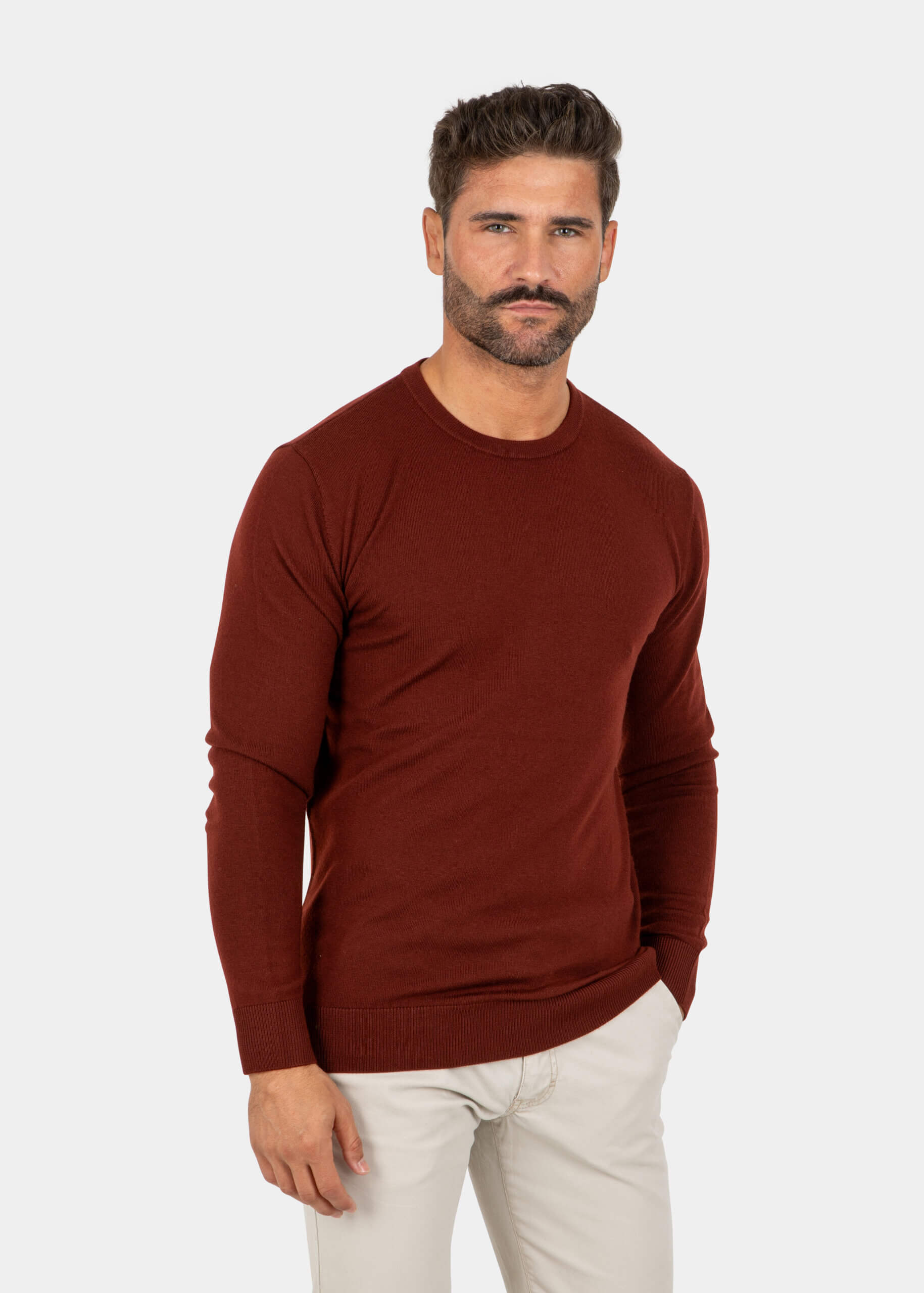
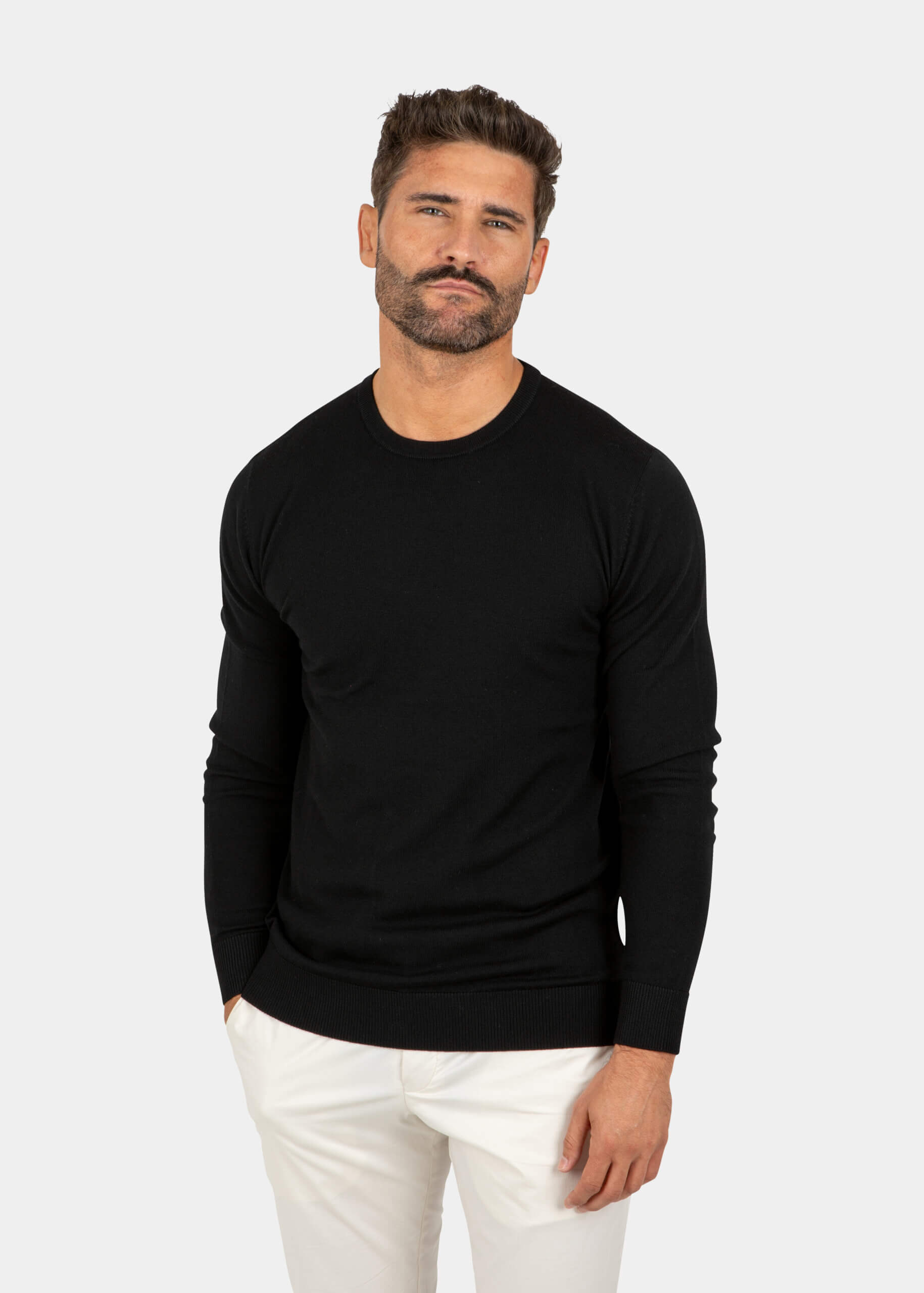
The foundation of early spring layering begins with scale. Heavy textures give way to finer gauges, and volume becomes more restrained. A Merino crew neck worn over a lightweight shirt feels appropriate as temperatures soften. Its breathability allows it to be worn comfortably throughout the day, while its clean silhouette maintains polish whether layered under outerwear or worn on its own.
Outer layers become lighter and less dominant. A wool coat may still appear in the morning, but it is often replaced by a trench, a field jacket, or nothing at all by afternoon. This shift places greater emphasis on the middle layer. Sweaters must now hold visual interest on their own, which is why proportion and colour matter even more during this season.
Neutral tones continue to lead the way. Grey, sand, navy, and soft earth tones echo the subtle palette of early spring. These colours work effortlessly with winter trousers and lighter cotton pieces alike, allowing garments to transition naturally without forcing contrast. A muted approach ensures that outfits feel considered rather than seasonal experiments.
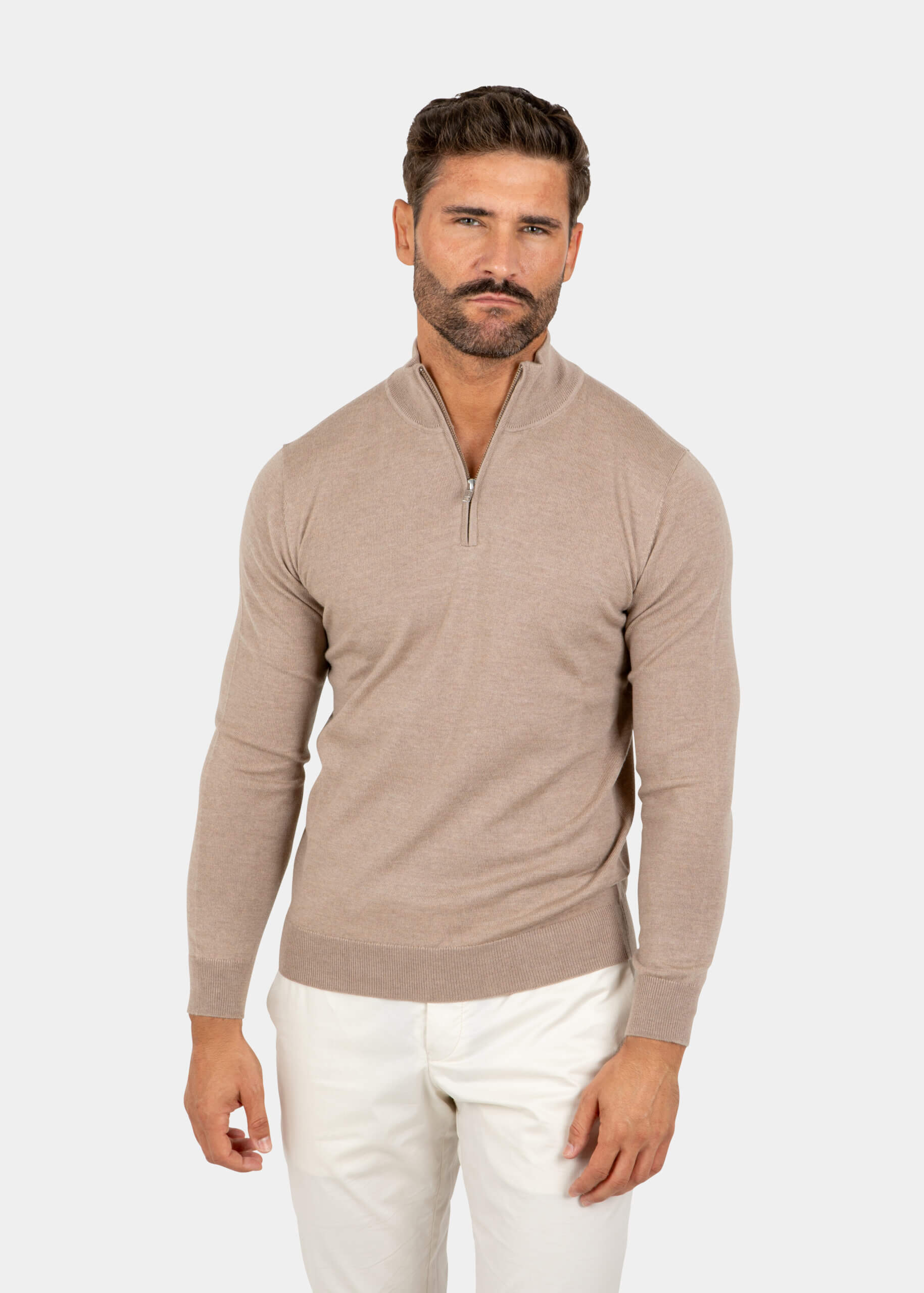
The 1/4 zip sweater is particularly effective during this period. It offers adjustability, allowing warmth to be regulated as conditions change. Worn zipped higher in cooler moments or opened as the day warms, it adapts without disrupting the overall look. This flexibility is exactly what transitional dressing demands.
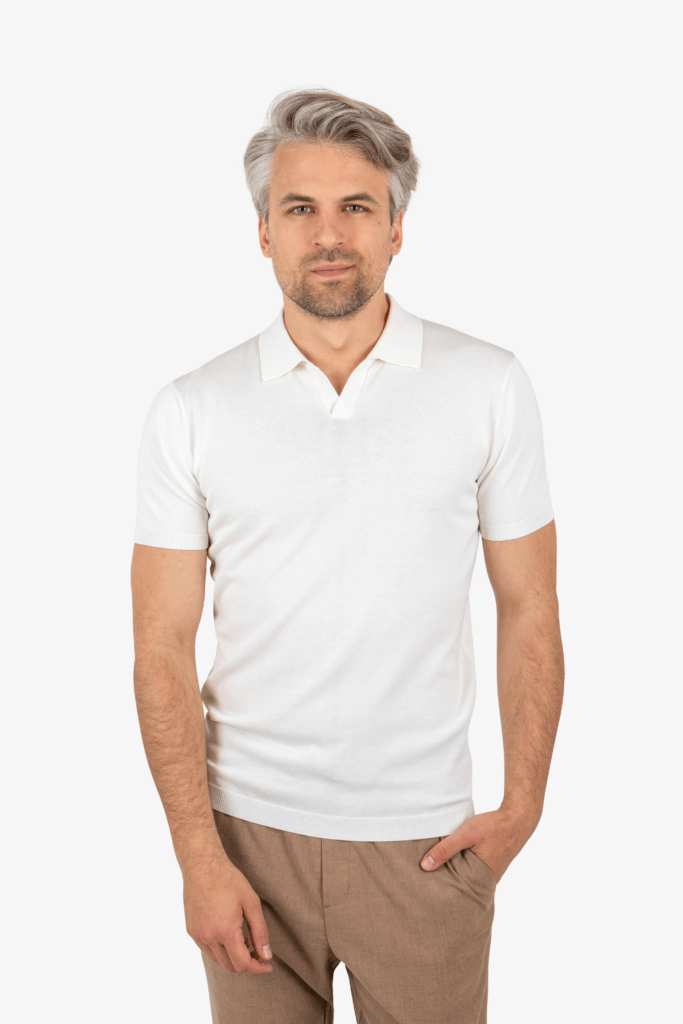
Cotton knits also begin to reassert themselves. A cotton cardigan layered over a T-shirt or lightweight shirt introduces a sense of ease while still providing coverage. It feels relaxed without reading casual and pairs just as well with tailored trousers as it does with denim. This versatility makes it a natural choice for spring weekends and travel.
As layering lightens, fit becomes more visible. Without heavy coats to conceal proportions, garments must stand on their own. Sweaters should skim the body comfortably, sleeves should fall cleanly, and hems should sit naturally at the hip. These details are subtle, but they define whether an outfit feels intentional or unresolved.
Transitional dressing also invites restraint. There is no need to introduce colour or pattern prematurely. Allow texture and silhouette to do the work. A fine knit against crisp cotton, smooth wool against lighter outerwear. These quiet contrasts create interest without excess.
Caring for knitwear during this period remains important. Temperature fluctuations can encourage overuse, so rotating pieces and allowing fibres to rest helps preserve shape and longevity. Fold sweaters between wears and store heavier knits gradually rather than all at once, easing the transition just as you do with dressing.
March sets the tone for the months ahead. It encourages patience, balance, and adaptability. A wardrobe that handles this season well is one built on thoughtful layers and reliable staples rather than abrupt change.
Fine knitwear embodies this approach. It does not belong to a single season, but to the rhythm between them. By adjusting how you layer rather than what you replace, early spring dressing becomes intuitive. The result is a style that feels calm, adaptable, and quietly confident.
Explore the Fall and Winter Knitwear Collection and discover pieces designed to transition seamlessly between seasons.