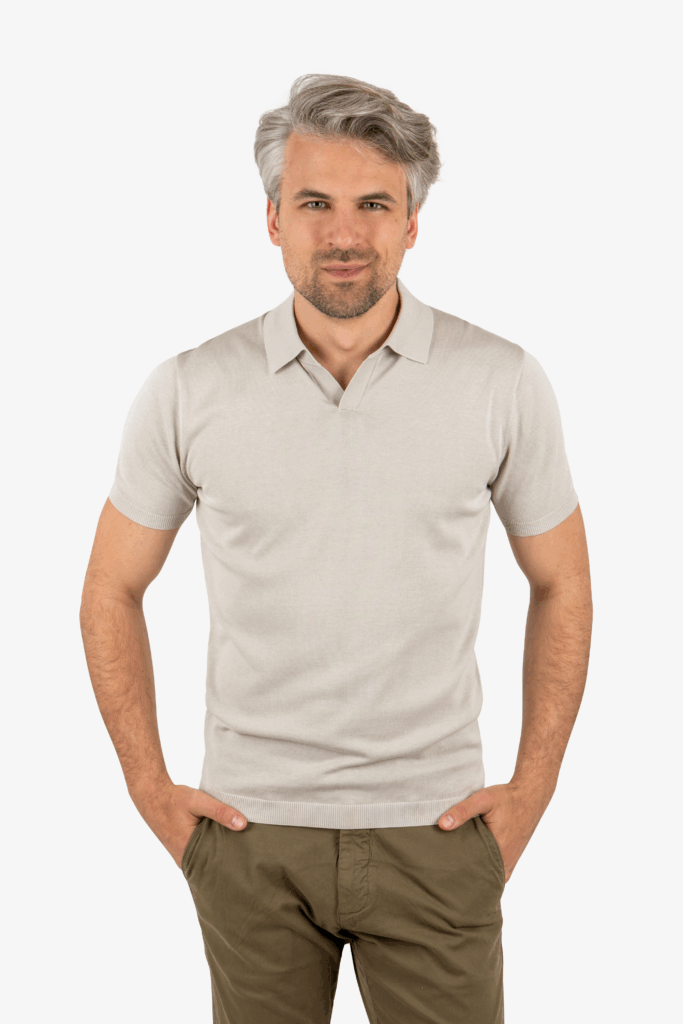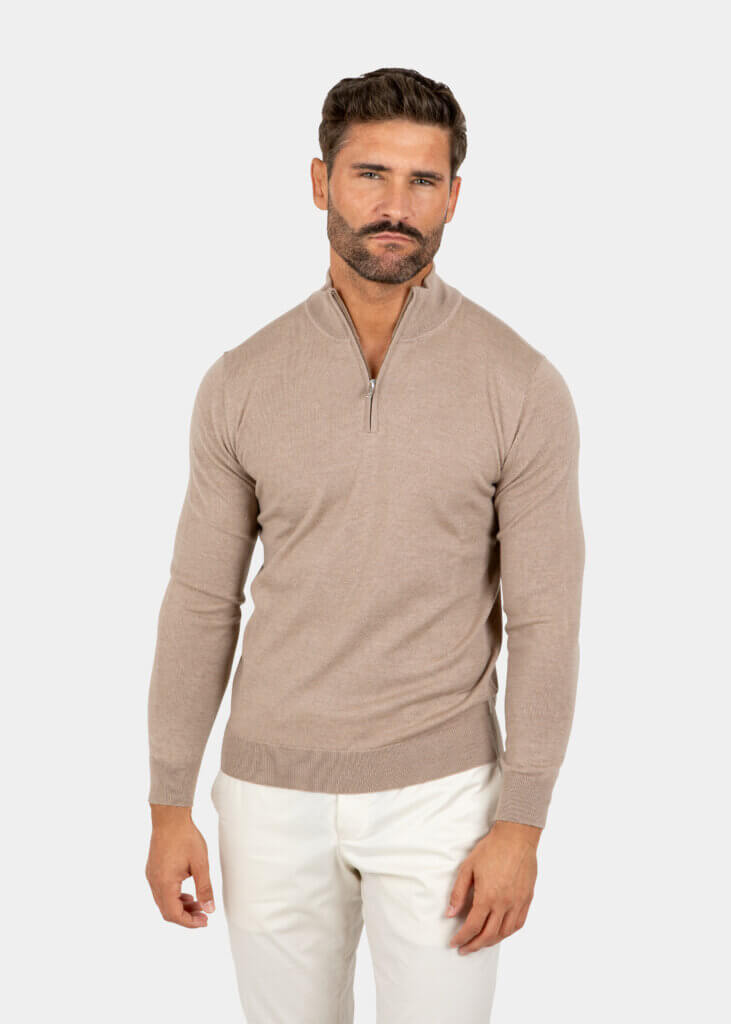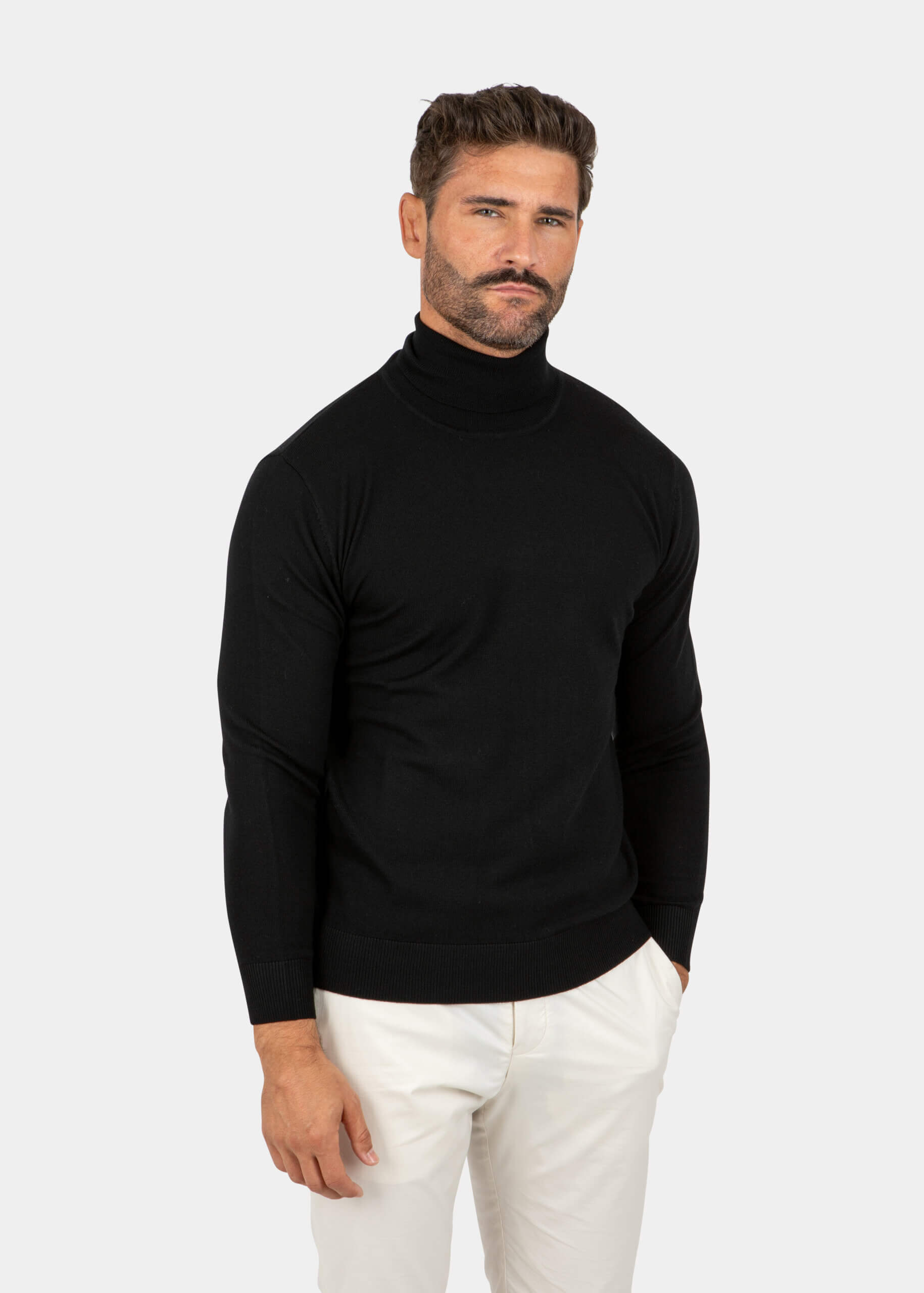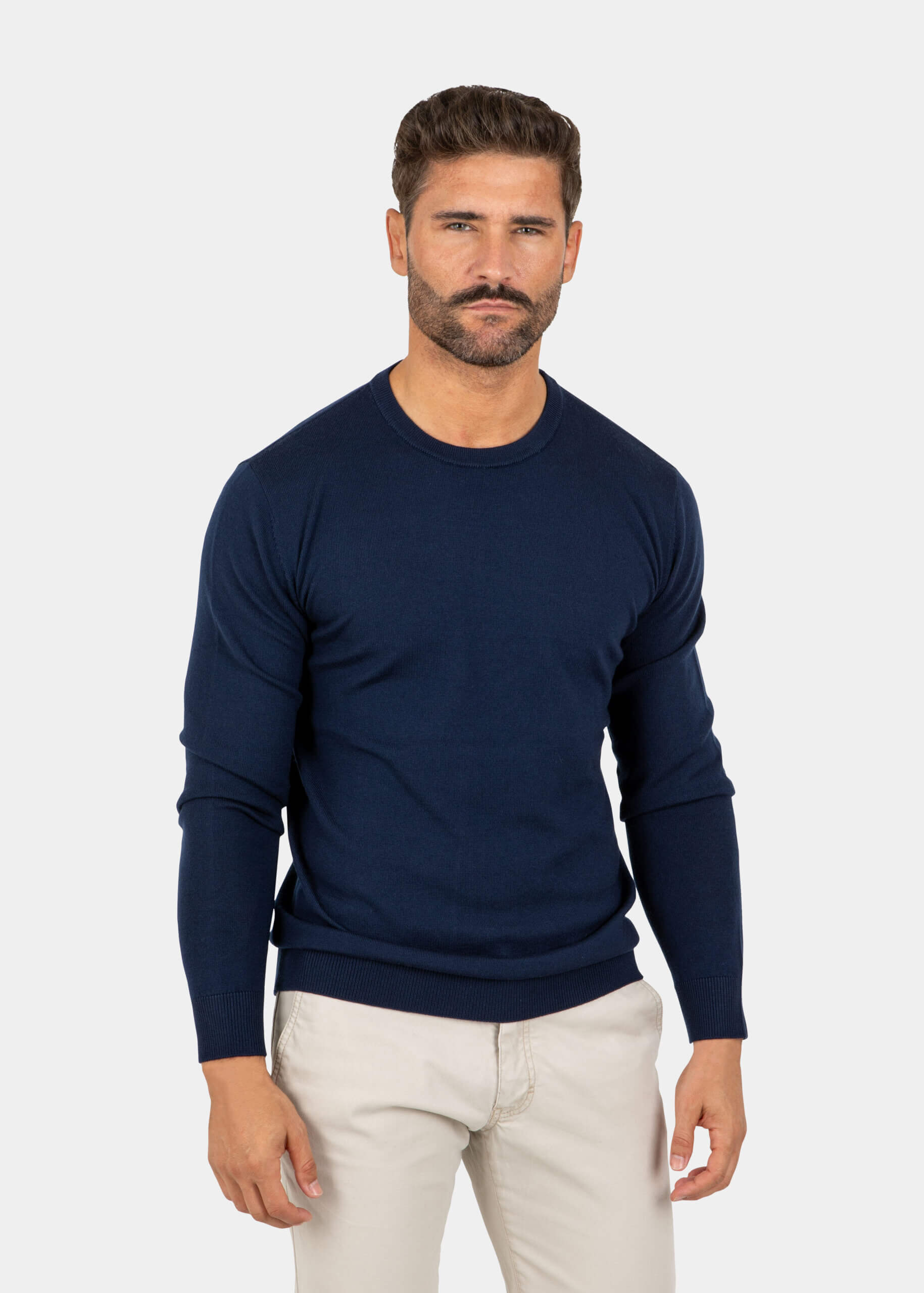
Layering is one of the most rewarding parts of dressing for the colder months. It offers the opportunity to add depth, texture, and intention to your outfits while remaining practical in shifting temperatures. When executed well, layering feels natural rather than overbuilt. It creates a sense of composure that looks effortless and communicates refinement without drawing attention to itself.
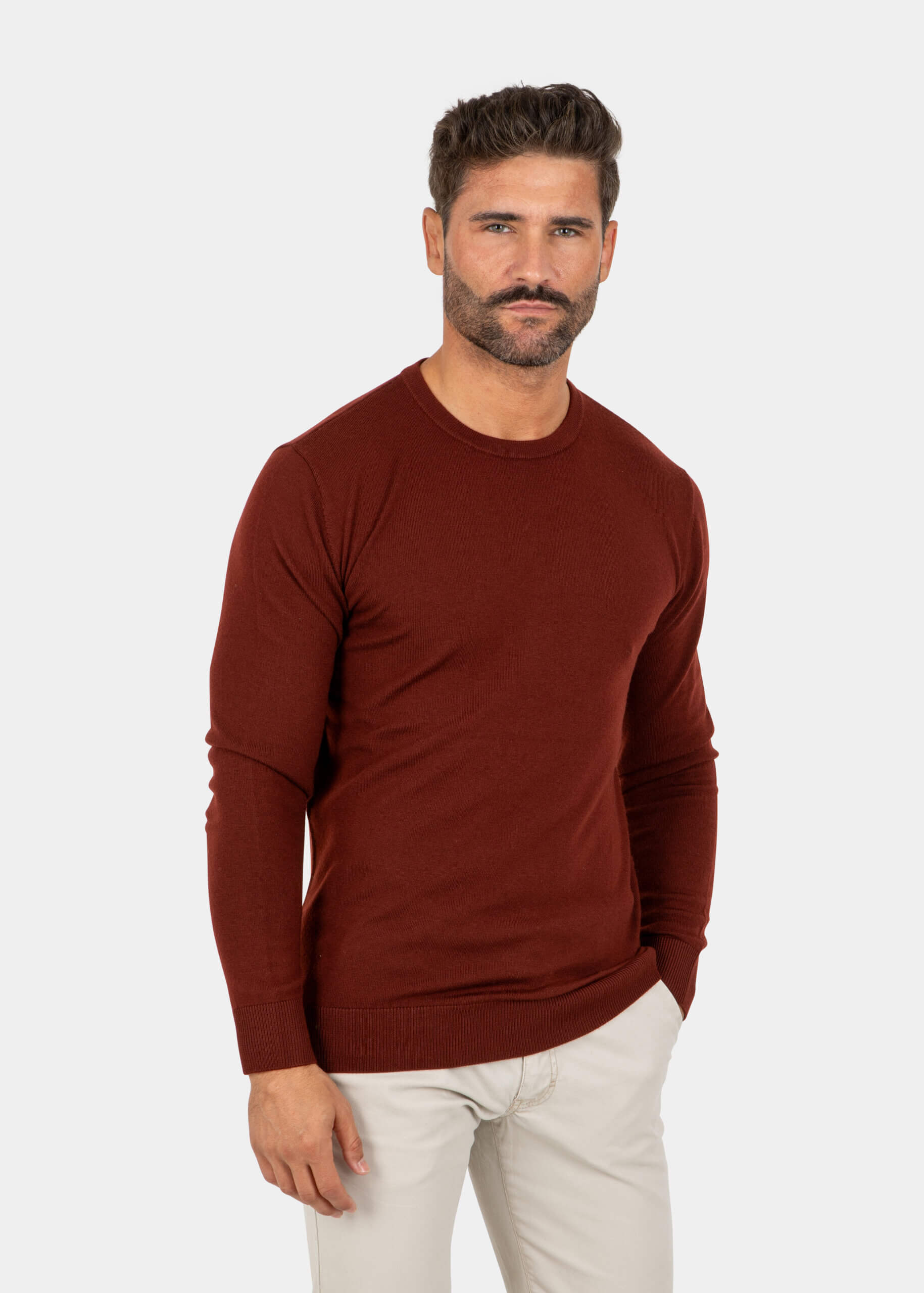
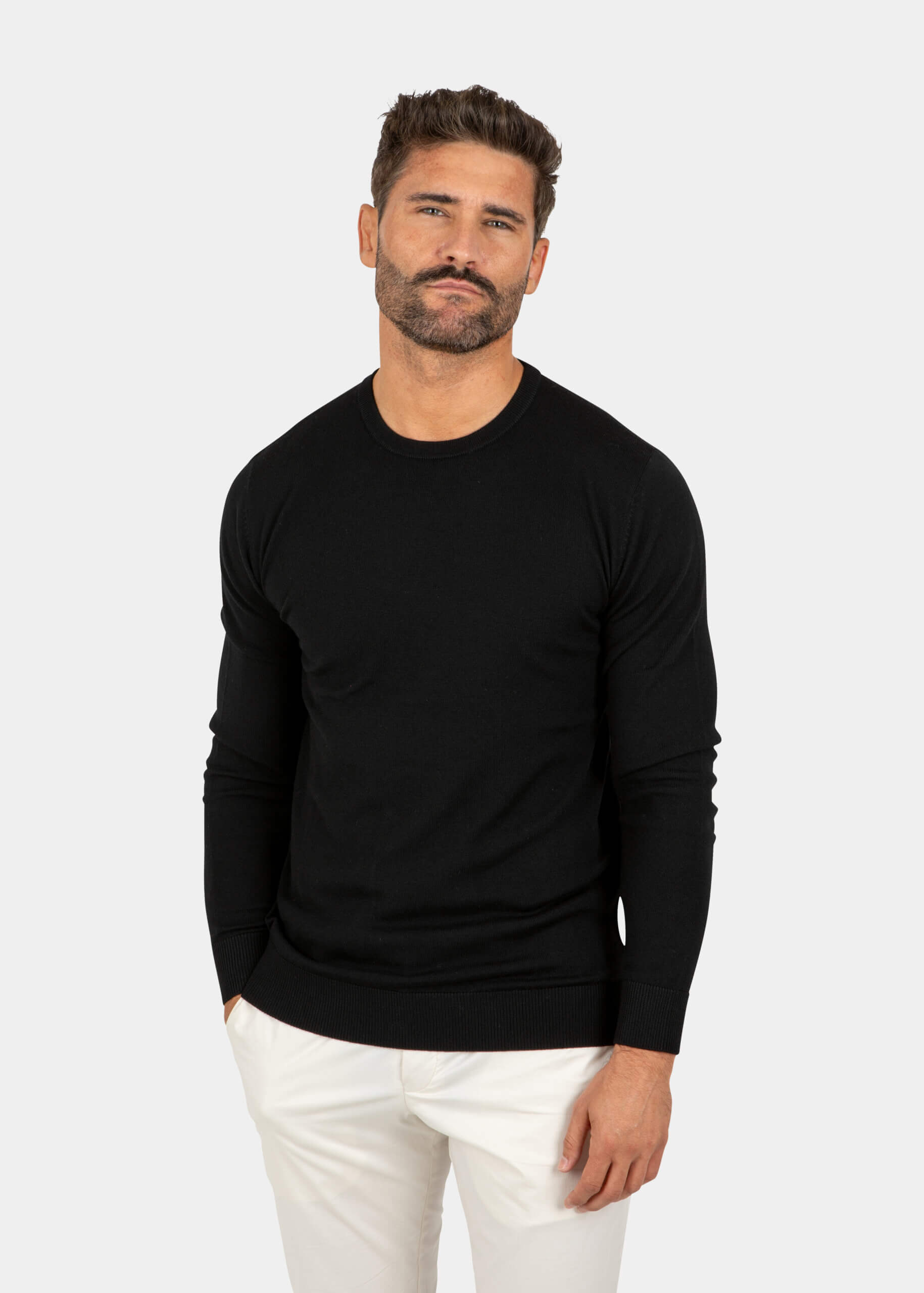
The strongest layers begin with a thoughtful foundation. A well-cut Merino crew neck works beautifully as a middle layer because it creates a clean silhouette and adapts easily to both casual and tailored pieces. Its fine-gauge construction sits neatly over a shirt and underneath a coat, which is exactly what defines a reliable layering garment. Navy, charcoal, and black provide the most versatility, and these colours integrate seamlessly into a variety of wardrobes.
What you choose beneath the sweater changes the overall character of the outfit. A crisp cotton shirt adds clarity and structure. It introduces a subtle contrast between the smoothness of Merino wool and the sharpness of woven fabric. A simple tee creates a more relaxed expression. Either base can work as long as it complements the tone and weight of the layer above it. Keep collars tidy, hems smooth, and fabrics light so that the sweater remains the focal layer.
The outer layer determines the personality of the look. A tailored blazer worn over a crew neck conveys a quiet form of professionalism. A topcoat over a turtleneck adds presence without exaggeration. On more casual days, a cotton cardigan or a half zip under a bomber jacket achieves a balance between structure and ease. The progression should always move from lighter fabrics nearest the skin to heavier fabrics on the outside. This order not only enhances comfort but also creates visual harmony within the outfit.
Colour is an essential part of thoughtful layering. Autumn clothing naturally leans toward muted or earthy tones, which are ideal for creating depth. Pair grey with camel, navy with olive, or sand with charcoal. These combinations work because they echo the subtle variations found in natural light during the colder seasons. Avoid loud contrasts that break the flow. Instead, aim for gentle transitions that register as intentional without demanding attention.
Fit remains crucial throughout the layering process. Each piece must sit comfortably over the previous one without pulling or distorting. A sweater that clings too tightly loses sophistication, while an overly loose fit adds unnecessary bulk. Calabretta’s Merino sweaters are designed with balanced proportions in mind so that they maintain their shape whether worn alone or inside a layering system.
Accessories offer a final note of coherence. A wool scarf that shares one of the tones in your base layer, gloves in a complementary shade of brown or black, or a simple timepiece can finish the look without overpowering it. These choices support the layered outfit rather than competing with it.
Maintaining the pieces you layer is just as important as styling them. Fold sweaters rather than hanging them, give them time to rest between wears, and allow the fibres to recover their natural elasticity. Proper care preserves their shape and ensures that every layer continues to drape as intended. Good knitwear becomes more characterful with time, but only when treated respectfully. Layering is not about complexity. It is about balance, understanding the relationship between fabrics, and cultivating a sense of ease in how garments interact. A Merino crew neck beneath a coat, a turtleneck replacing a shirt on colder evenings, or a cardigan bridging the space between home and office can all feel elevated when the layers are chosen with clarity. True style comes from intention, and layering is one of the clearest expressions of that principle.
Explore the Fall and Winter Knitwear Collection and discover refined layers designed for modern living.